US Fiscal Exceptionalism Meets A Dollar Sell Signal
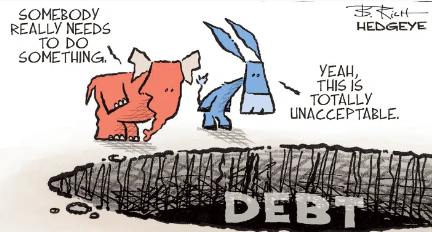
Washington just digs a deeper fiscal hole. Let’s be clear. Excessive deficits are your future taxes, or inflation, or both. Policy Chaos: How U.S. Treasury Is Fighting The Fed |

Washington just digs a deeper fiscal hole. Let’s be clear. Excessive deficits are your future taxes, or inflation, or both. Policy Chaos: How U.S. Treasury Is Fighting The Fed |
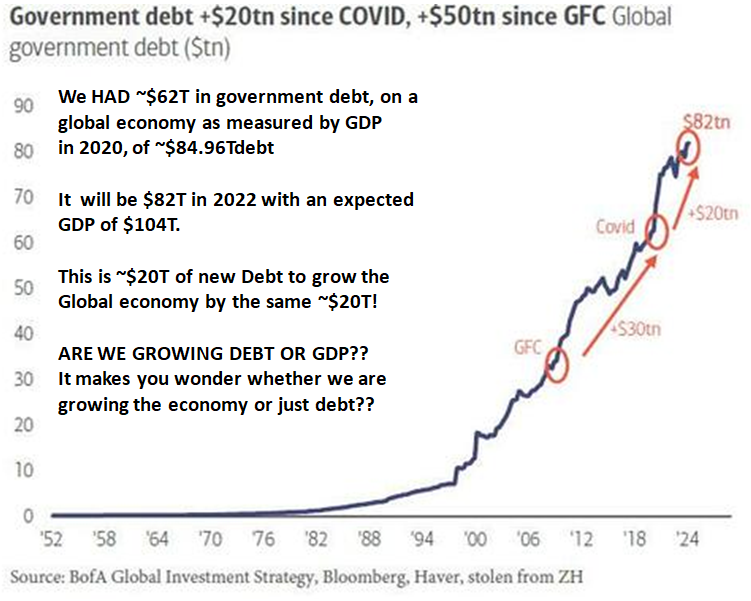
US Federal Debt Growth Has Exceeded GDP Growth For 16 years.
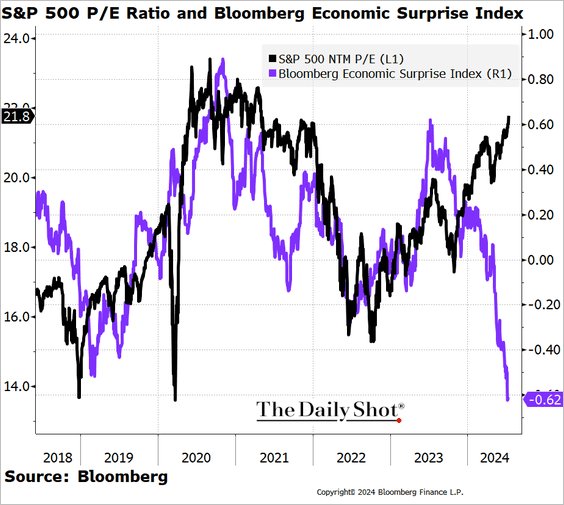
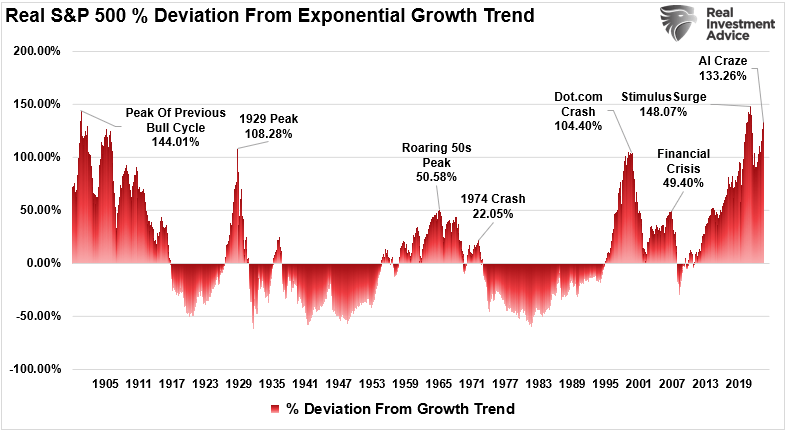
Stock market rises to record valuation even as economic growth weakens.
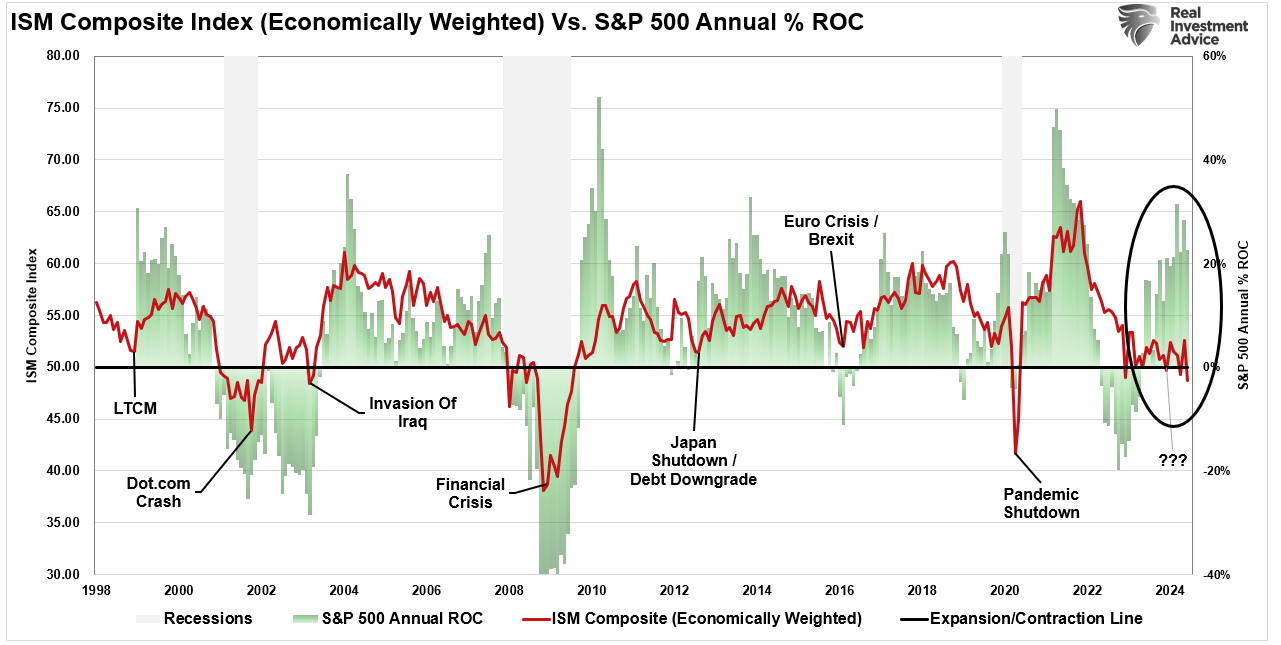
Earnings grow is broadly flat over the
Now we can understand what Warren Buffett is telling us.
It is hard to believe that policy makers can balance everything out indefinitely.
In my view, key allocations to
Japan has gone further for longer down the Keynesian/MMT policy road. The collapse of the yen shows enduring instability. Investors will start to look at other currencies differently. Developed economies
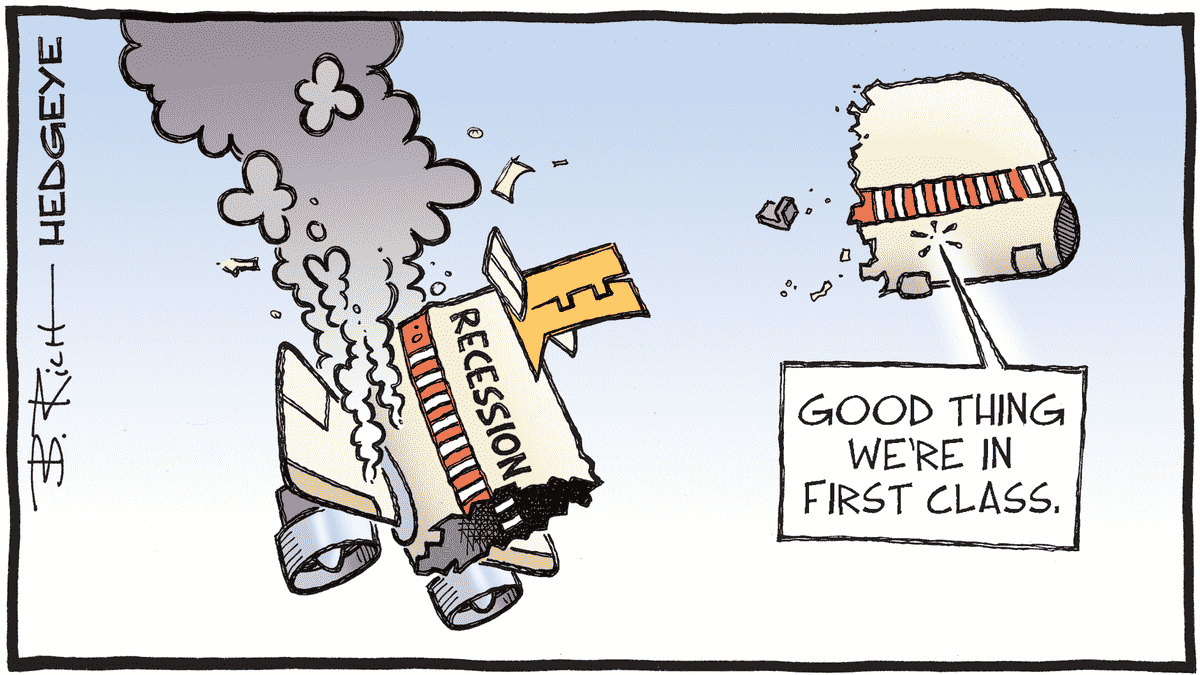
The AI bubble has now reached an all-time record valuation level just as AI product return results are failing to meet expectations.
Passive Investing has reached a record scale
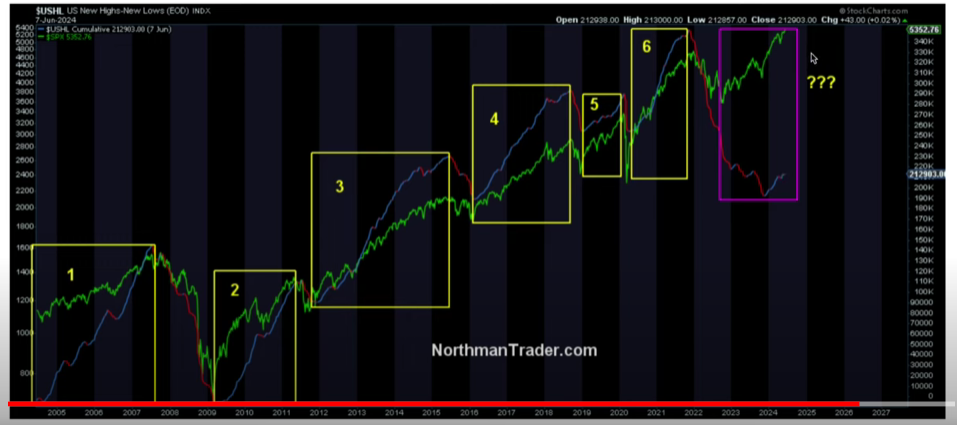
Western economic policy has drifted away from established norms on both deficit financing and inflation priority. New and extreme alternative and discretionary policies have evolved, with policy makers increasingly engaged
Market participants are highly committed to the bubble which policy makers won’t be able to sustain. It is crucial to make a distinction between excessive liquidity and “stimulus”, which leads
Excess policy stimulus is generating inflation, distortions, and weak long -term growth. The emerging trends are a small business depression, with a big business engineered bubble. The engineering is unsustainable.<br
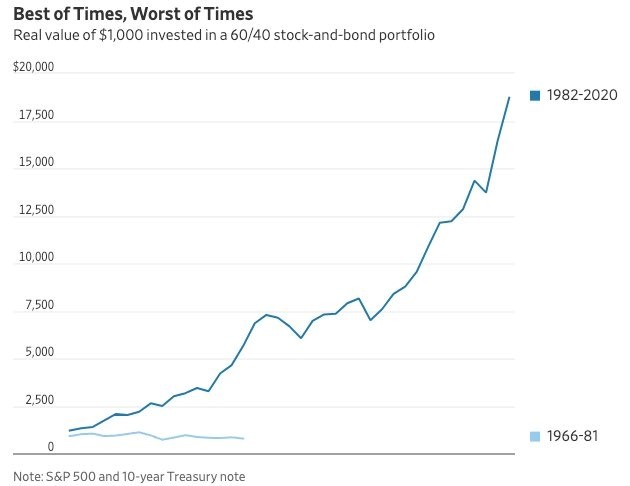
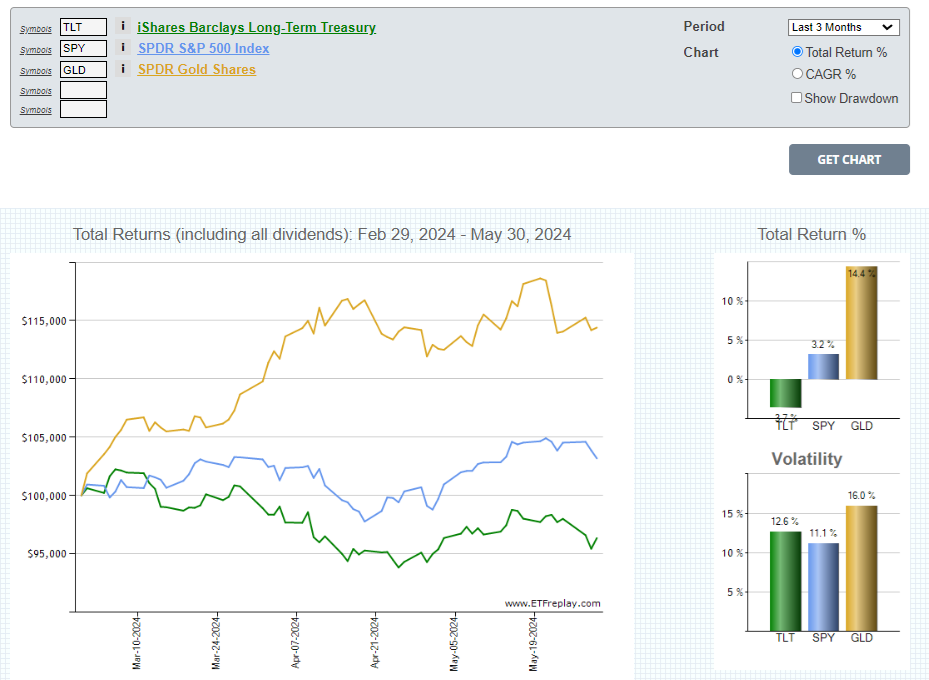
“Gold has risen 89% in the past five years, compared to 85% for the S&P 500 and a disappointing 0.7% for the US aggregate bond index (as of May 17,
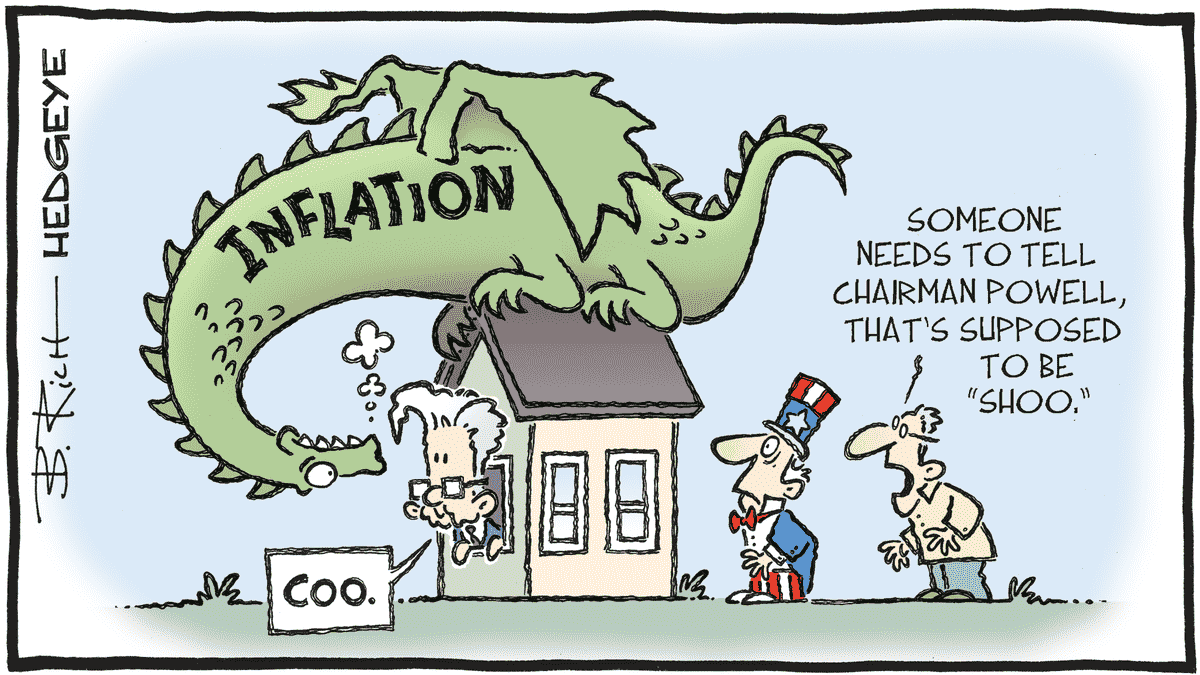
Inflation preparation is not apparent in most western portfolios, as discussed last week. But this issue is much bigger than that. In the 1970s debt levels, relative to GDP, were