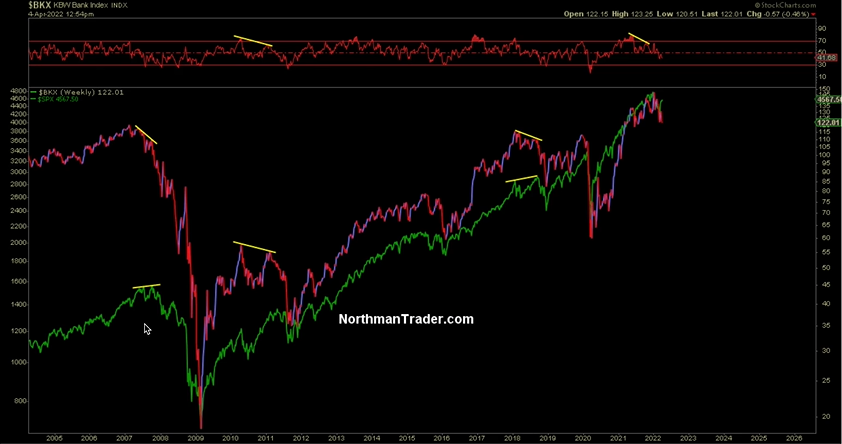
Weekly Insight Track Record And Outlook
“If one does not know to which port one is sailing, no wind is favorable.”
~Seneca
It is key to use cycles and market behavior to have a sense

“If one does not know to which port one is sailing, no wind is favorable.”
~Seneca
It is key to use cycles and market behavior to have a sense
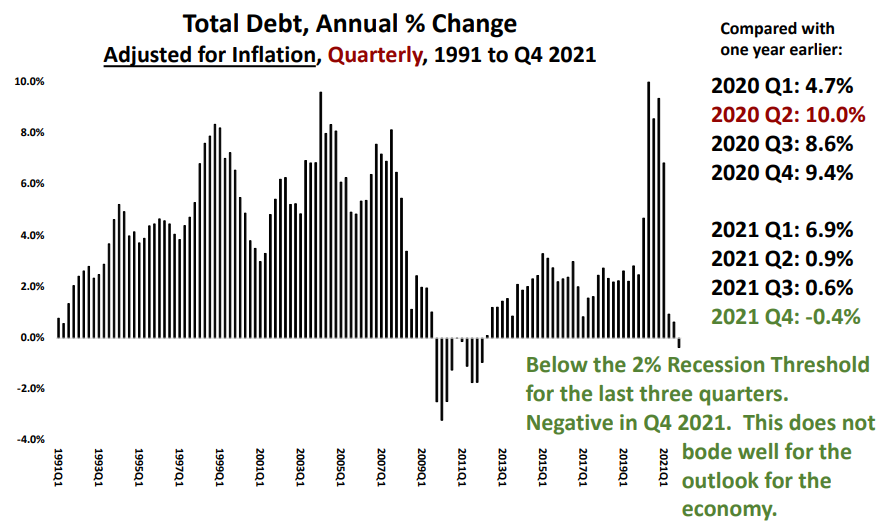
Real credit growth was very weak in the last 3 quarters of 2021. Ever since 1952, whenever credit growth fell below 2% per annum, the US economy went into recession.
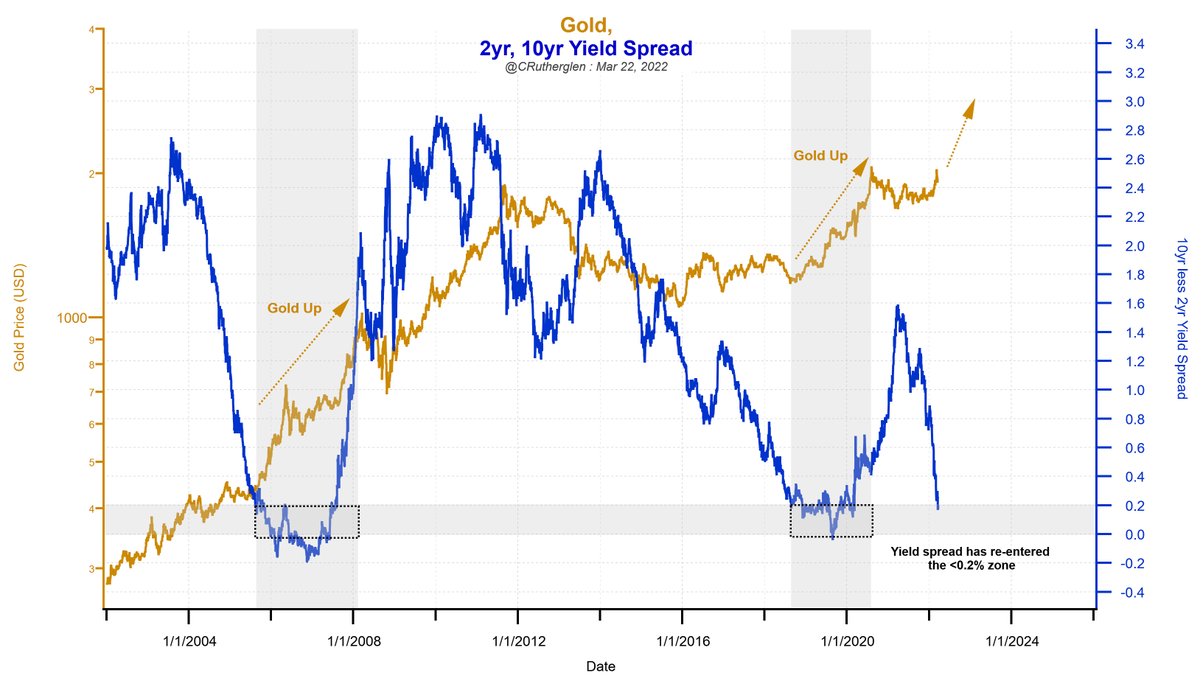
Investors can benefit from a clear understanding of the dynamics between growth, inflation and the yield curve, and how it signals changes in allocation.
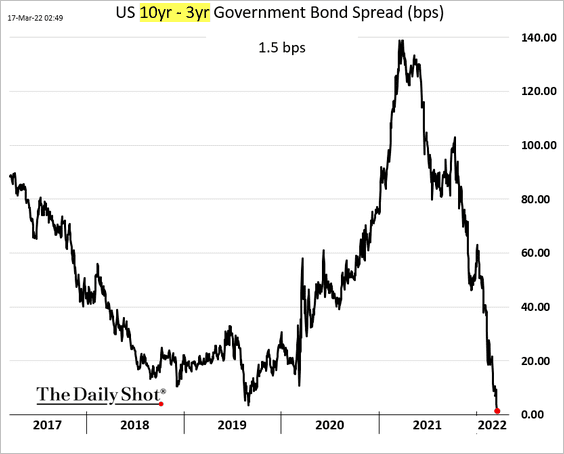
The Fed is on a collision course with market forces, as they are very unlikely to be able to complete the plan they have set out in this forecast. Their
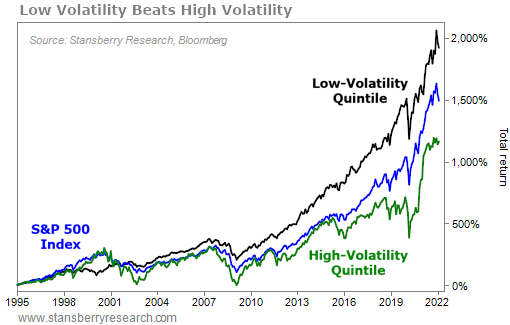
Investors who continue to experience sizeable drawdowns in their account value will have disappointing long term compounded returns. There are many systematic solutions to turn this around.
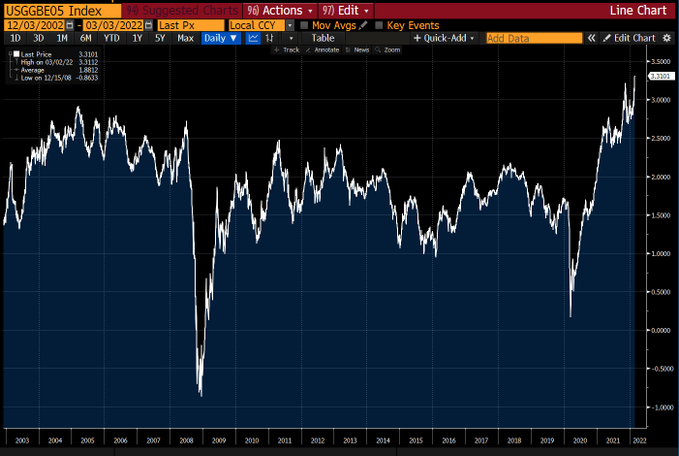
The inflation dynamics are considered along with how TIPS have uniquely useful qualities in an allocation.
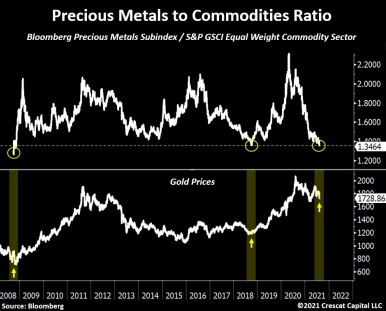
R-star policy thinking may lie at the heart of both the inflation predicament and also a major allocation opportunity.
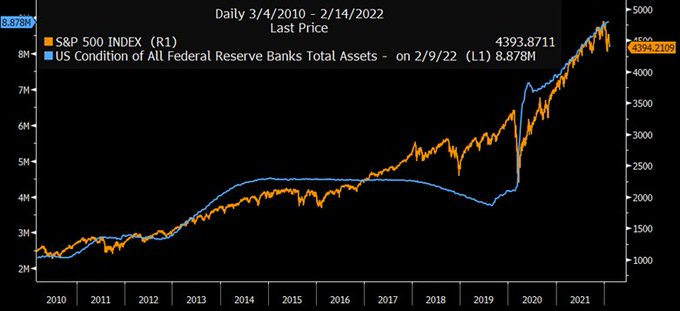
There are several components to the boom and now it looks like tightening financial conditions are coinciding with tightening fiscal conditions. That doesn’t unwind harmlessly because they want it to.
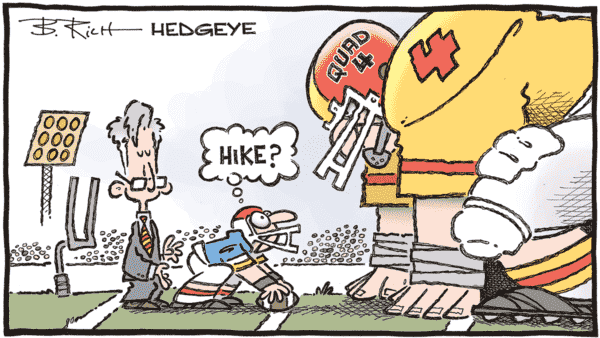
“The real problem for the Fed is that it has completely abandoned any semblance to a systematic policy framework, in apparent preference for a purely discretionary one. By relentlessly depriving